
Protein Became a Personality Trait. Here’s Why.



General Fitness
By: GALF
11 Jun 2026
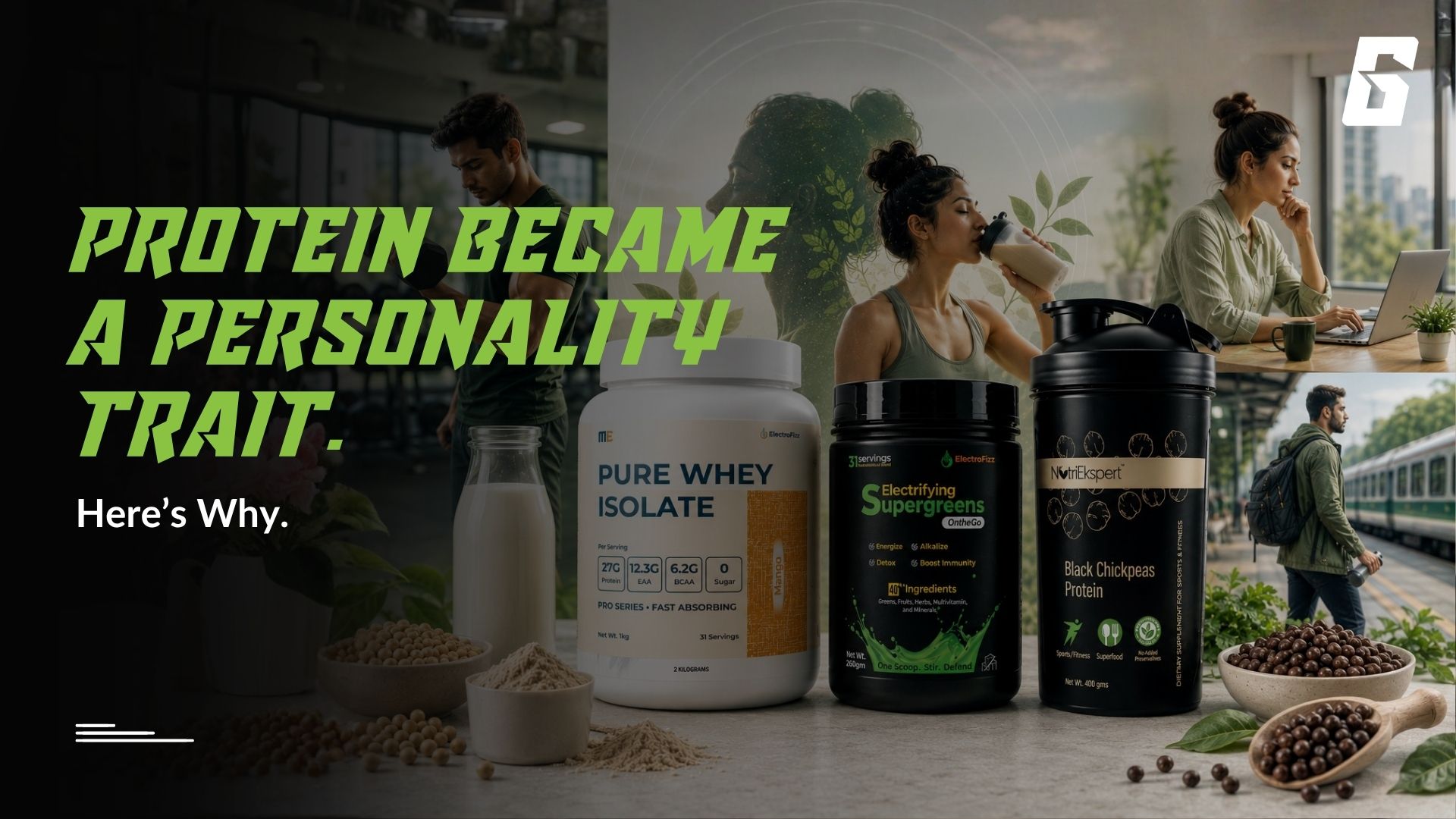
A few years ago, protein was mostly associated with athletes and bodybuilders. Today, it’s everywhere. Protein coffee. Protein cereal. Protein ice cream. High-protein snacks. “Protein goals” on social media. What was once a niche fitness conversation has become part of mainstream identity and lifestyle culture.
Protein is no longer just nutrition. For many people, it has become a signal of discipline, health, productivity, and self-optimisation. But behind the trend, there’s a more important shift happening: people are becoming more aware of how energy, recovery, and nutrition affect everyday performance.
The problem is that as protein became more popular, quality became harder to judge.
The growth of protein consumption is no longer limited to gyms. The global protein supplements market was valued at nearly USD 30 billion in 2025 and is projected to more than double over the next decade, driven by rising health awareness and demand for functional nutrition.
In India, the shift is growing just as rapidly. India’s protein supplement market crossed ₹7,400 crore in 2024 and is expected to continue expanding as more consumers adopt preventive health and active lifestyles. But this rise is not only about aesthetics anymore.
People now associate protein with:
● better recovery
● sustained energy
● improved performance
● healthy ageing
● long-term wellness
This shift mirrors a broader movement toward preventive health, something we explored earlier in MyGALF’s blog, Why Preventive Health Products Are Replacing Reactive Treatments. Nutrition is increasingly being viewed as everyday infrastructure, not damage control.
The popularity of protein has also created confusion. Many people now choose protein products based on:
● flavour
● influencer marketing
● social media trends
● packaging claims
● “high protein” labels
Instead of asking a simpler question: What is actually inside the product?
This matters because not all protein supplements are built the same.
Recent consumer reports found that several protein powders contained concerning levels of heavy metals and contaminants, especially in poorly regulated formulations. That is why “clean protein” is becoming more important than simply “more protein.”
Clean protein does not mean perfection. It means:
● clear ingredient sourcing
● fewer unnecessary additives
● easy digestion
● transparent formulation
● protein that supports recovery without creating additional stress on the body
This is especially relevant today because protein is no longer used only after workouts. People now consume it:
● between meetings
● during travel
● alongside demanding work schedules
● as part of daily nutrition routines
A supplement that feels heavy, bloating, overly sweet, or difficult to digest becomes harder to sustain consistently.
That is partly why lighter, cleaner formulations are becoming more popular globally. Clear and isolate-based protein products are seeing rapid growth because consumers increasingly prefer protein that feels easier on the body while still supporting recovery and performance.
One of the biggest misconceptions in modern nutrition culture is the idea that more protein automatically means better health.
In reality, protein works best when it fits into a broader lifestyle that includes:
● movement
● hydration
● recovery
● sleep
● sustainable nutrition habits
This is why protein alone cannot compensate for burnout, poor recovery, or inconsistent routines, something connected closely to MyGALF’s blog The Energy Economy: Why Stamina Is the Real Currency of 2026.
The goal is not optimisation at all costs. It is sustainable energy.
For people looking to support active lifestyles without overcomplicating nutrition, cleaner formulations matter.
Products like Meneki Absolute Whey Protein Isolate Pro Series focus on minimal ingredients and easy digestibility, making them easier to integrate into everyday routines.
For people balancing training with long workdays or recovery demands, products such as ElectroFizz Cramp Assault Hydration Powder can support hydration and electrolyte balance alongside protein intake.
Micronutrient support also plays an important role in recovery and overall energy. Blends like ElectroFizz Supergreens Superfood Powder help bridge nutritional gaps that often appear in inconsistent diets.
And for endurance, circulation, and sustained output, products like ElectroFizz Freeze Dried Beetroot Powder Nitric Oxide Booster can complement active recovery and training support.
The objective is not to build a personality around protein. It is to build routines that actually support how you feel and perform over time.
Protein became a personality trait because modern life rewards performance. People want more energy. Better recovery. Better output. Better longevity. Protein simply became one visible symbol of that pursuit.
But the future of nutrition will likely belong to something more balanced:
● cleaner formulations
● smarter supplementation
● sustainable routines
● prevention-focused health
Because the real value of protein is not how loudly it is marketed. It is how quietly and consistently it supports your body in the background.