
Why Preventive Healthcare Products Are Replacing Reactive Treatments




General Fitness
By: GALF
15 Apr 2026
For much of modern history, healthcare has been reactive. People sought solutions only after something went wrong. Illness appeared first. Treatment followed later.
But that model is slowly changing. Across the world, individuals and organisations are beginning to invest more attention in preventing problems rather than fixing them later. Preventive healthcare is no longer limited to doctors’ advice. India is already seeing the cost of delayed intervention. According to recent government data, premature morbidity leads to an estimated $38 billion annual economic loss in the country, highlighting the growing need for preventive healthcare systems over reactive care.
The limits of reactive healthcare
Reactive healthcare focuses on treating symptoms after they appear. While treatment remains essential, waiting until a problem becomes severe often means the body has already experienced stress or damage. Fatigue, poor recovery, chronic stress, and nutrient deficiencies often develop quietly over time before they become noticeable. This is also why prevention is gaining momentum. Preventive healthcare is rapidly becoming a priority in India, with the sector projected to grow significantly and outpace traditional treatment-led healthcare models in the coming years.
Preventive healthcare tries to interrupt this process earlier. The idea is simple: support the body before it reaches the point of breakdown.
Everyday prevention starts with small habits
Preventive healthcare rarely involves dramatic interventions. Instead, it focuses on everyday practices that strengthen the body’s ability to maintain balance.
These include:
● maintaining hydration
● supporting immune function
● ensuring adequate protein intake
● improving sleep quality
● managing stress and recovery
Many of these actions seem basic, yet they have a powerful long-term impact.
Nutrition as preventive support
Nutrition plays a central role in prevention. When the body consistently receives the nutrients it needs, it becomes more resilient to stress, fatigue, and illness.
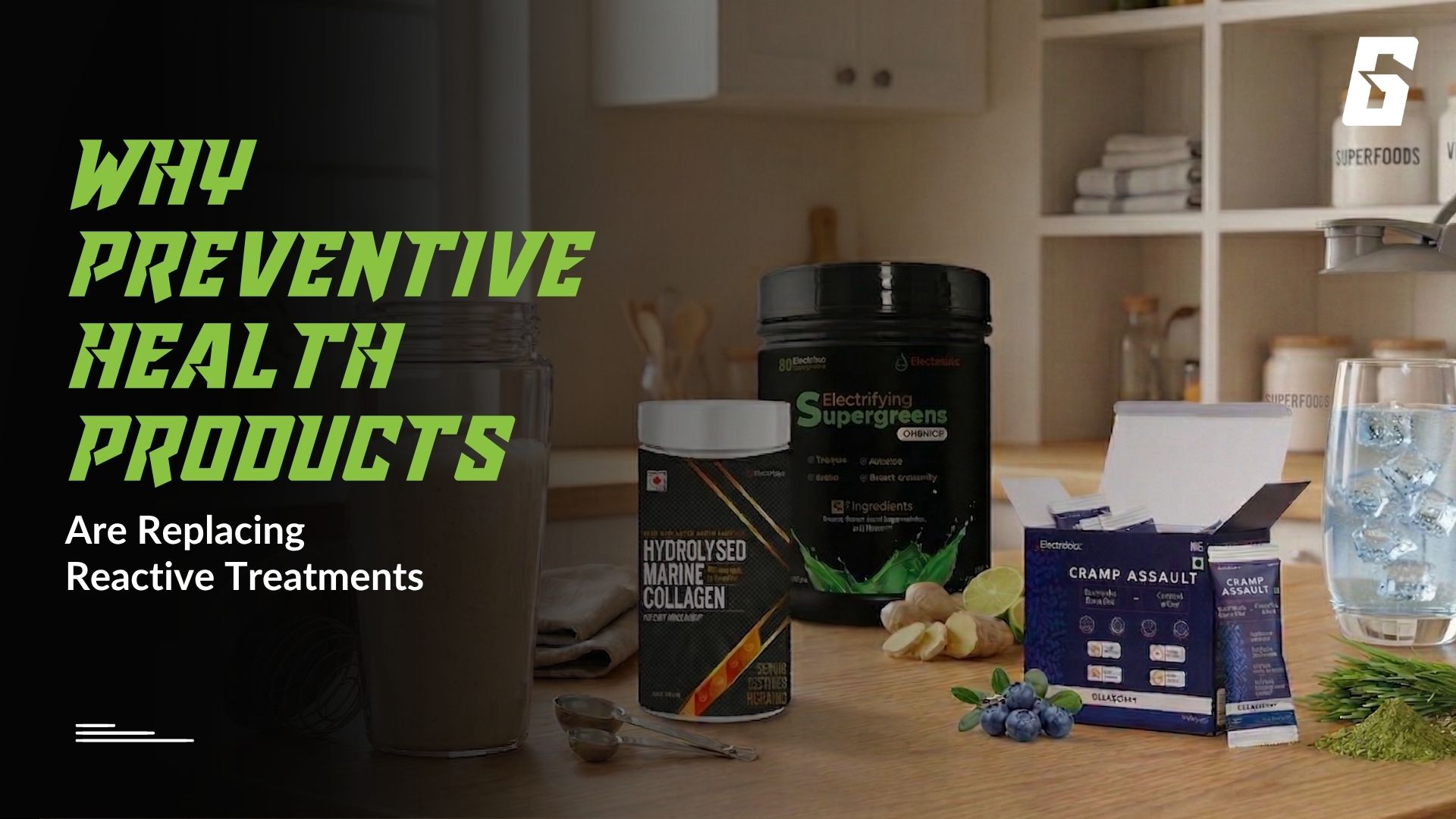
For example, micronutrient-rich green blends such as ElectroFizz Supergreens help support antioxidant balance and immune function during demanding work or training cycles.
Similarly, marine collagen supplements available on MyGALF support joint healthcare, connective tissue integrity, and recovery, especially for individuals who train regularly or lead active lifestyles.
These are not treatments. They are support systems that help the body maintain stability.
Hydration and electrolyte balance
One of the most overlooked aspects of preventive healthcare is hydration.
Dehydration does not always appear as thirst. It often shows up as fatigue, headaches, reduced concentration, and lower physical performance. Even mild dehydration, as little as 1–2% loss in body weight, has been shown to negatively impact cognitive function, alertness, and reaction time.
Electrolyte-based hydration blends like ElectroFizz Cramp Assault Hydration Powder help maintain fluid balance and muscle function during periods of heavy physical activity or prolonged workdays.
Supporting hydration consistently helps prevent many small issues from accumulating into larger problems.
Prevention supports performance
Preventive healthcare is not only about avoiding illness. It also supports performance.
Athletes, entrepreneurs, and professionals all rely on sustained energy, focus, and resilience. Preventive habits help maintain these qualities over time. At a larger scale, healthcare is increasingly being linked to economic output. Addressing healthcare gaps globally could add up to $1.1 trillion to the economy, reinforcing how strongly workforce healthcare and productivity are connected.
Protein support, micronutrient intake, hydration, and recovery practices all contribute to the body’s ability to handle physical and mental demands.
We explored the connection between energy, stamina, and long-term performance in our blog “The Energy Economy: Why Stamina Is the Real Currency of 2026.”
Preventive healthcare simply extends that idea.
Instead of reacting to fatigue or burnout, it encourages people to support the systems that keep energy stable in the first place.
The shift toward long-term healthcare
The growing interest in preventive healthcare reflects a broader cultural shift.
People are no longer waiting for problems to appear before paying attention to their healthcare. Instead, they are investing in habits and tools that help maintain balance.
Preventive healthcare products are not replacements for medical care. They are everyday supports that help individuals manage stress, maintain energy, and recover more effectively.
Preventive healthcare is also becoming an economic priority. The global preventive healthcare market is projected to grow significantly over the coming years, reflecting a clear shift from treatment-led systems to prevention-first approaches.
In the long run, this approach does something simple but powerful. It keeps people functioning well for longer. And increasingly, that is becoming the most valuable form of healthcare.